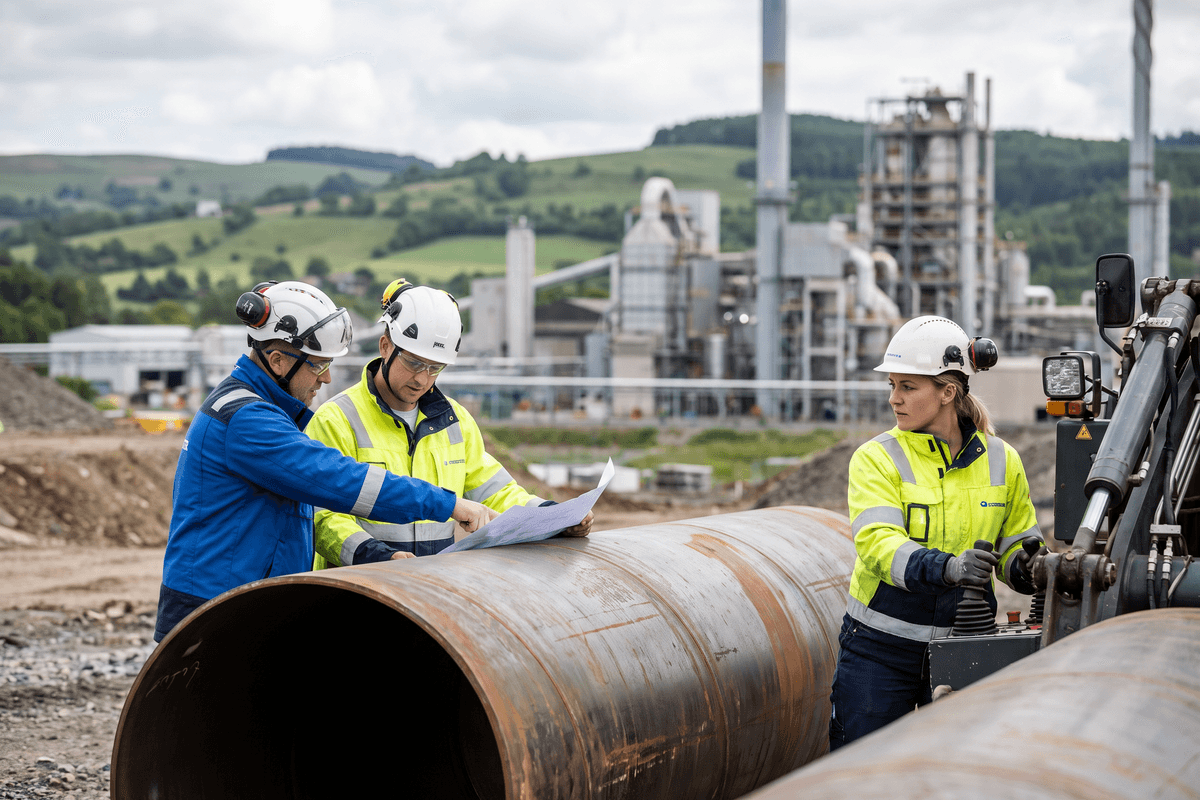
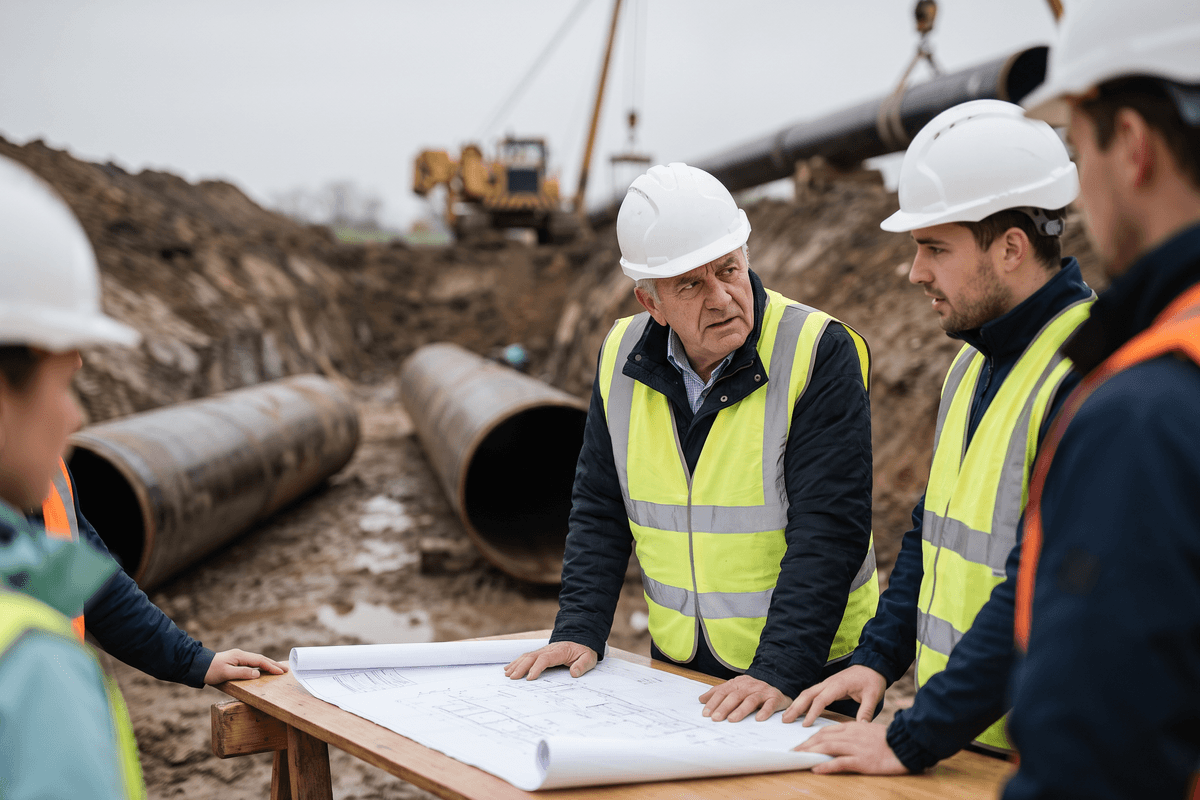
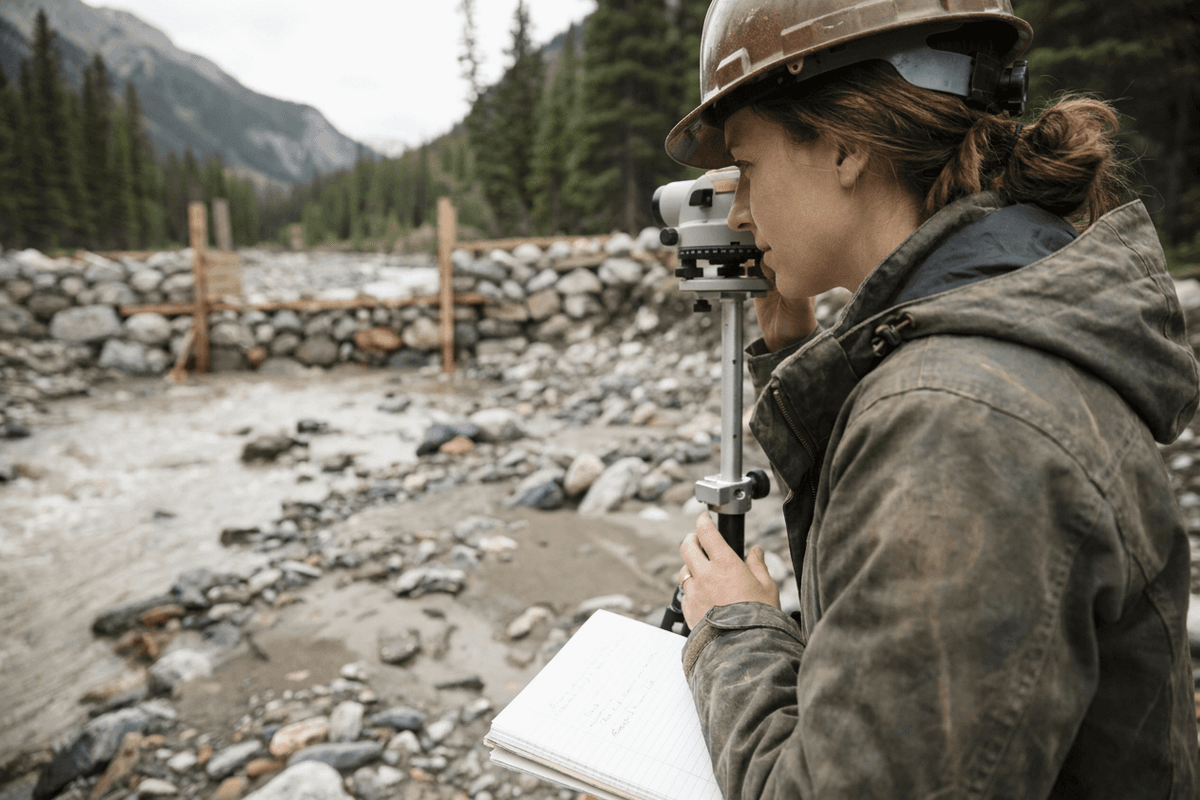
Few places in Aotearoa illustrate the raw friction between natural geomorphology and human infrastructure quite like the Waiho (Waiau) River at Franz Josef. For decades, civil engineers have designed, raised, and reinforced stopbanks to protect the glacier township and State Highway 6 from one of the most volatile braided river systems in the Southern Hemisphere. However, as local authorities, regional council leaders, and geotechnical specialists convene for high-stakes emergency meetings—as reported by Infrastructure News —the engineering fraternity faces a stark reality: static flood protection schemes are reaching their physical and economic thresholds against hyper-dynamic alpine aggradation.
The challenge confronting Franz Josef is not ...
Aotearoa New Zealand’s infrastructure ambition is facing a quiet but critical structural test. While policy announcements and multi-decade project pipelines paint a picture of immense long-term capital expenditure, real-time employment metrics tell a far more volatile story. Newly released employment figures have raised alarm bells across the sector, prompting Engineering ...
Across consulting offices, site sheds, and network operations centres from Auckland to Invercargill, artificial intelligence has quietly shifted from a speculative curiosity into daily workflows. Yet as computational speed accelerates, New Zealand’s engineering profession faces a profound reckoning. The true test of modern engineering is no longer how rapidly a model can be ...
When major capital projects are greenlit at breakneck speed, the physical reality of civil infrastructure inevitably catches up with the policy ambitions. For months, local authorities and civil engineers across Aotearoa have warned of a looming bottleneck: fast-tracking consenting for large-scale housing developments, industrial parks, and commercial precincts means little ...
When someone is scammed, one of the first questions people ask is:
"How could they fall for that?"
A better question is:
"What was the fraud exploiting?"
Most victims aren't careless or unintelligent. They're responding the same way they do every day—moving quickly, trusting familiar brands, following routines, and trying to get things done efficiently.
Modern ...
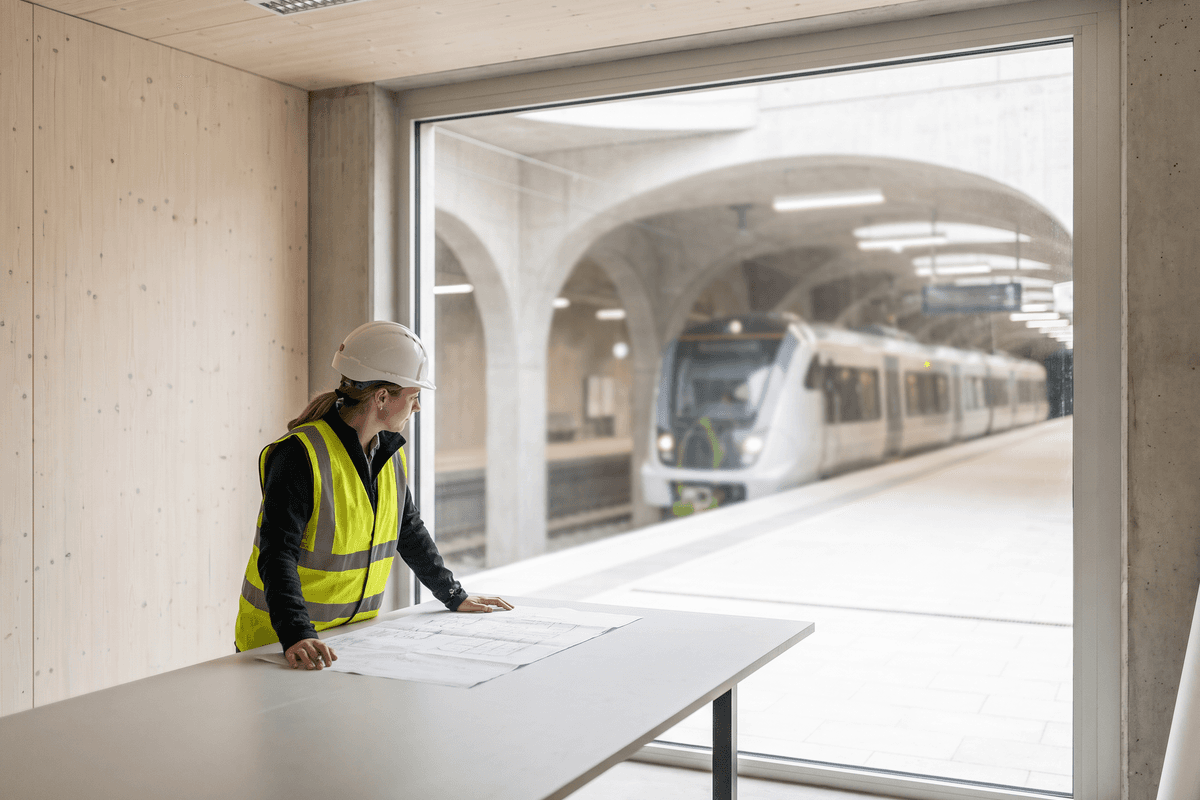
When the first passenger-loaded electric multiple units slid smoothly into the subterranean platforms of Te Waihorotiu and Karanga-a-Hape stations, it marked more than the end of a gruelling, decade-long civil build. The formal commissioning of the NZ$5.5 billion Auckland City Rail Link (CRL) signals the culmination of New Zealand’s largest and most complex transport ...
The modern engineering consultancy in Aotearoa New Zealand looks markedly different than it did a generation ago. Where project kick-offs once focused strictly on geotechnical core samples, structural load calculations, and cut-and-fill balances, today’s major infrastructure milestones are shaped equally by cultural narratives, environmental guardianship, and deep engagement ...
For decades, Taranaki has operated as New Zealand’s heavy industrial powerhouse. The region’s engineering and manufacturing firms cut their teeth on complex offshore energy assets, high-pressure processing facilities, and intricate petrochemical infrastructure. Today, as Aotearoa faces a multi-billion-dollar infrastructure deficit, that deep well of technical expertise is ...
When heavy civil engineering in New Zealand works at its best, the results are nothing short of breathtaking—even when they are buried dozens of metres beneath our largest city. The recent celebration of monumental achievements at the CCNZ Hirepool Construction Excellence Awards served as a timely reminder of the country’s high-calibre technical capability. From Watercare’s ...
When technical safety standards clash with regulatory timetables, the consequences rarely stay confined to legal drafting rooms. Across Aotearoa’s engineering consultancies, utility control rooms, and major infrastructure sites, a quiet storm has been brewing over pending electrical safety regulations and wiring rules scheduled for mandatory enforcement this November. ...
For New Zealand’s engineering sector, the mandate from Wellington has never been clearer: build faster, build smarter, and build for the future. Yet, as the government accelerates its legislative agenda to unlock regional growth, a critical question has lingered over the drafting tables of the country's civil and structural engineers—who is actually going to pay for the ...
For the better part of a decade, Auckland’s $5.5 billion City Rail Link (CRL) has been the gravitational centre of New Zealand’s heavy engineering sector. It has absorbed our top geotechnical, civil, and systems integration talent, acting as both a crucible for innovation and a stress test for our supply chains. Now, the end is officially in sight. With Infrastructure ...
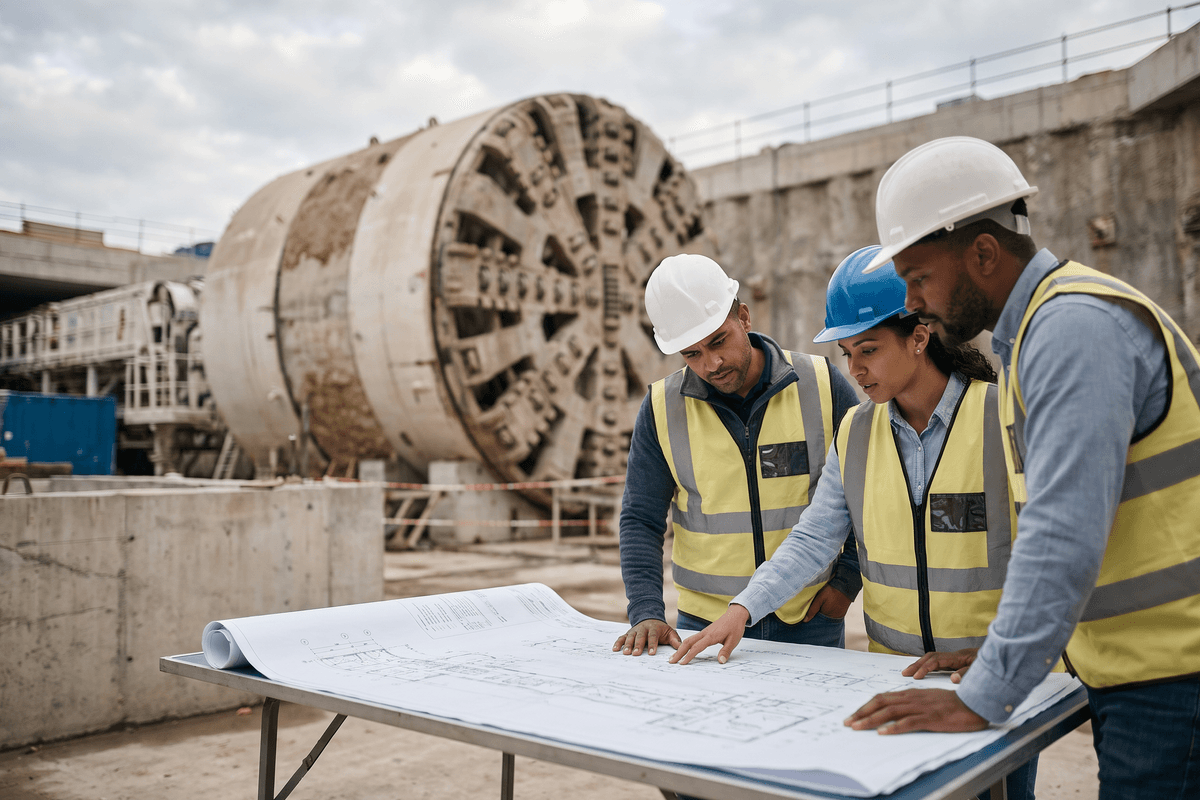
Deep beneath the basalt and clay of Auckland, a critical barrier has fallen. The removal of the final bulkhead on the Central Interceptor tunnel is more than just a dramatic photo opportunity; it is a watershed moment for New Zealand’s civil engineering sector. This breakthrough marks the transition of the country's largest wastewater infrastructure project from its primary ...


 Ashley KarrSep 25, 2026